
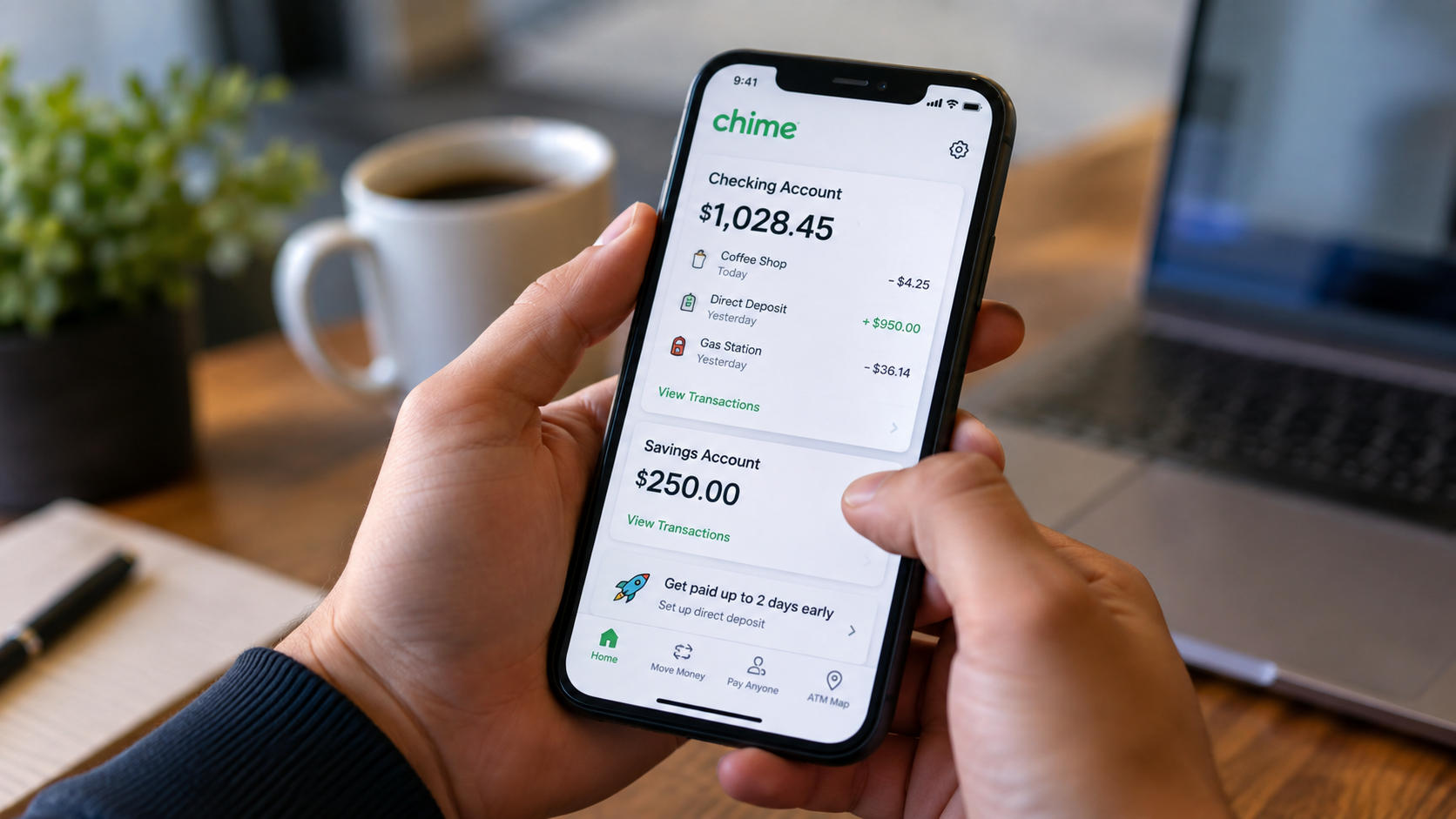
Chime shares CHYM surged 9% before the bell on Wednesday after the fintech company agreed to acquire Stride Bank for $590 million, a move that would give it a national bank charter and greater control over its lending business.
The deal, announced late Tuesday, marks a significant step in Chime’s effort to compete more directly with traditional banks.
The company has spent years challenging established lenders with app-based, low-cost financial services, and acquiring its long-time banking partner could allow it to expand further into products typically dominated by traditional financial institutions.
Wall Street largely welcomed the transaction, with analysts pointing to the potential for stronger profitability and greater control over Chime’s product development.
“We see this as a bold move with the potential to accelerate Chime’s market share,” William Blair analysts wrote in a note.
Stride Bank has been Chime’s banking partner for more than seven years.
The acquisition would bring the nationally chartered bank under Chime’s ownership, allowing the fintech to gain greater control over its operations and lending strategy.
Chime expects more than $100 million in synergies
Chime estimates that the acquisition will generate more than $100 million in net synergies.
The savings are expected to come from lower sponsor-bank fees, a broader range of lending products and a significantly lower cost of funds.
That could strengthen the economics of Chime’s existing business while giving the company greater flexibility to develop new financial products.
“Becoming a full-fledged bank should allow Chime to capture a higher share of wallet with customers, increasing its direct depositor base and solidifying the moat around its platform,” Evercore ISI analysts wrote.
Wolfe Research similarly highlighted the strategic benefits of the transaction.
“The acquisition will support faster product innovation, increased member trust, a structural cost advantage and greater control,” its analysts wrote.
Chime expects the transaction to close in the first half of 2027.
Analysts raise targets after the deal
Several Wall Street firms adjusted their outlook for Chime following the announcement.
Morgan Stanley raised its price target on Chime to $40 from $39 while maintaining an Overweight rating, calling the acquisition strategically important to the company’s growth.
The stock closed at $32.31 on Tuesday.
The firm said the deal could help Chime win a larger share of the credit market, move upmarket, retain customers as their incomes rise, and improve profitability.
A national charter should also expand Chime’s ability to originate loans across its customer base.
Under its current sponsor-bank structure, Chime can lend to approximately 85% of its members.
The acquisition would give the company greater flexibility and speed in launching new credit products, which Morgan Stanley considers particularly important as Chime moves toward longer-duration credit products.
The strategy could allow Chime to monetize and retain its most valuable customers for longer as their financial needs become more sophisticated.
UBS raised its target to $31 from $28 and retained a Neutral rating.
UBS described the transaction as a strategically compelling extension of Chime’s vertical-integration strategy, arguing that it could strengthen the company’s structural cost advantage and accelerate product development.
Loop Capital went further, initiating coverage with a Buy rating and a Street-high price target of $45, which represents a nearly 40% upside from current levels.
Piper Sandler also said the acquisition could improve Chime’s unit economics while giving it greater control over product development.
Chime keeps focus on Durbin exemption
The acquisition comes as a growing number of fintechs, neobanks and digital-asset companies pursue bank charters to increase their role in the financial system.
For Chime, however, the structure of the combined business will remain important.
The company expects to keep its assets below $10 billion for the foreseeable future.
That threshold is significant because it allows Chime to remain exempt from the debit-card interchange fee caps imposed on larger banks under the 2010 Durbin Amendment.
Maintaining that exemption could preserve an important part of Chime’s business model even as the company gains more control over lending and banking operations.
Chime also raised its third-quarter and full-year forecasts for revenue and core profit growth on Tuesday, adding to the positive reaction to the Stride transaction.
The post Chime Financial stock jumps after Stride Bank deal; upside of up to 40% seen appeared first on Invezz