
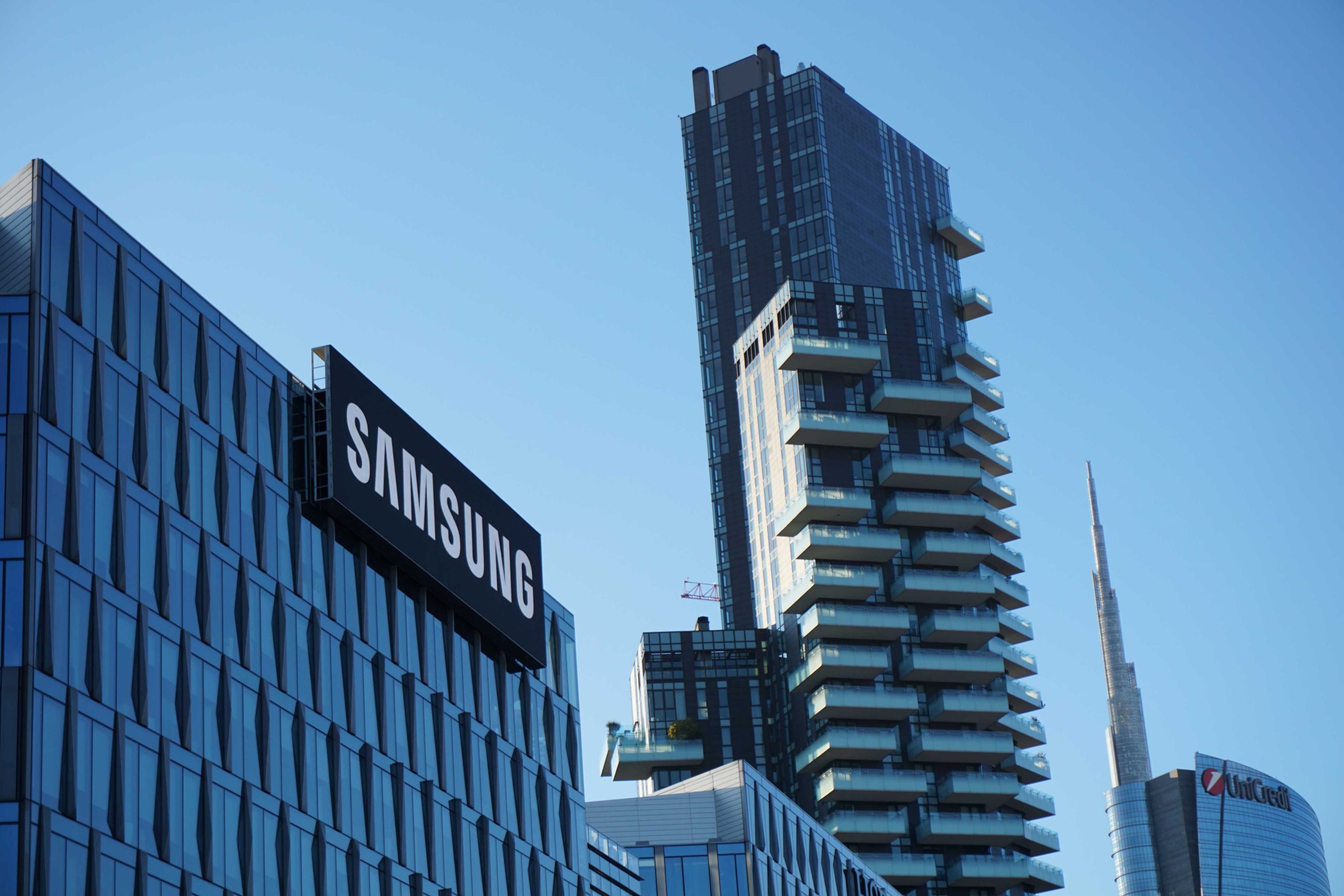
Samsung stock plunged nearly 4% on Wednesday due to the prospect of the biggest strike in the company’s history, after talks with its South Korean labour union failed to produce a pay deal.
Nearly 48,000 workers are poised to walk out for 18 days from May 21, raising fears of disruption at the world’s largest memory-chip maker.
The dispute is not only about wages and land at a moment when Samsung is racing to defend its position in AI memory chips, a market where delivery delays can quickly result in lost customers.
Investors have already shown their unease, with the stock sliding 9.3% after earlier talks broke down.
Talks collapse after a 17-hour marathon session
The breakdown followed government-mediated negotiations that spanned two days and failed to bridge the widening gap over bonus payments.
A final marathon round at the National Labor Relations Commission lasted about 17 hours, but ended without a deal, leaving the union committed to an 18-day strike running from May 21 to June 7.
At the centre of the dispute is Samsung’s bonus system.
The union wants the company to scrap a cap that limits annual bonuses to 50% of salary, allocate 15% of annual operating profit to a worker bonus pool, and formalise those terms in contracts.
Samsung has offered one-off payments, especially for memory-chip workers, but has resisted permanent changes to the structure.
Union leader Choi Seung-ho has said management had not meaningfully responded to workers’ demands.
Samsung, for its part, has said it remains open to dialogue.
But with the strike date now one day away, the dispute has moved beyond a routine pay negotiation and into a test of corporate power, labour pressure and national economic risk.
Samsung stock: $20 billion threat to world’s AI chip supply
Samsung is not an ordinary manufacturer, but a pillar of the global memory-chip supply chain, with a dominant position in DRAM and NAND, and a crucial role in high-bandwidth memory used in AI data centres.
The analysts see a potential hit of up to 4% to global DRAM supply and 3% to NAND supply if the strike disrupts production.
JPMorgan analyst Jay Kwon has warned that meeting the union’s demands in full could cut Samsung’s 2026 operating profit by 7% to 12%.
The bank has also estimated that strike-related losses could reach about 31 trillion won, or roughly $20.8 billion, depending on the length and impact of the stoppage.
That is why investors are focused less on the optics of a strike and more on what it could mean for margins, customer commitments and Samsung’s AI-chip recovery.
Board chairman Shin Je-yoon has already warned internally of “losing market leadership” if production and deliveries are interrupted.
The timing is especially sensitive because Samsung’s HBM4 chips are reportedly sold out for 2026, leaving little room for operational shocks.
The post Samsung stock plunges as 47,000 workers set to strike after talks fail appeared first on Invezz